

How Homes Unknowingly Distribute Mold Spores and Moisture
When homeowners think about mold problems, they often focus on visible mold growth, roof leaks, plumbing failures, or flooded basements. What many people do not realize is that their HVAC system can play a major role in how moisture, mold spores, dust, and contaminants move throughout the home. In some cases, the HVAC system may even contribute to conditions that allow mold to develop in the first place.
At AuntieGen, we regularly investigate homes where indoor air quality concerns, elevated humidity levels, hidden mold growth, and persistent musty odors can be traced back to HVAC-related issues. Through moisture mapping, air quality assessments, mold inspections, and remediation services, we help homeowners identify and correct the root causes of these problems before they become larger and more expensive issues.
Understanding how your HVAC system affects airflow and moisture control can help protect both your property and your family’s health.
HVAC Location Matters More Than Most People Think
The location of an HVAC system can significantly influence its efficiency, longevity, and impact on indoor air quality.
In northern climates, furnaces and air handlers are commonly installed in basements. This placement offers several advantages. Basements are generally within the conditioned envelope of the home, meaning the equipment operates in a more stable temperature environment. Service access is often easier, and ductwork can typically be routed efficiently throughout the structure.
In many southern regions, however, HVAC systems are frequently installed in attic spaces. Since basements are uncommon in many areas of the southern United States, attics often become the only practical location for the equipment.
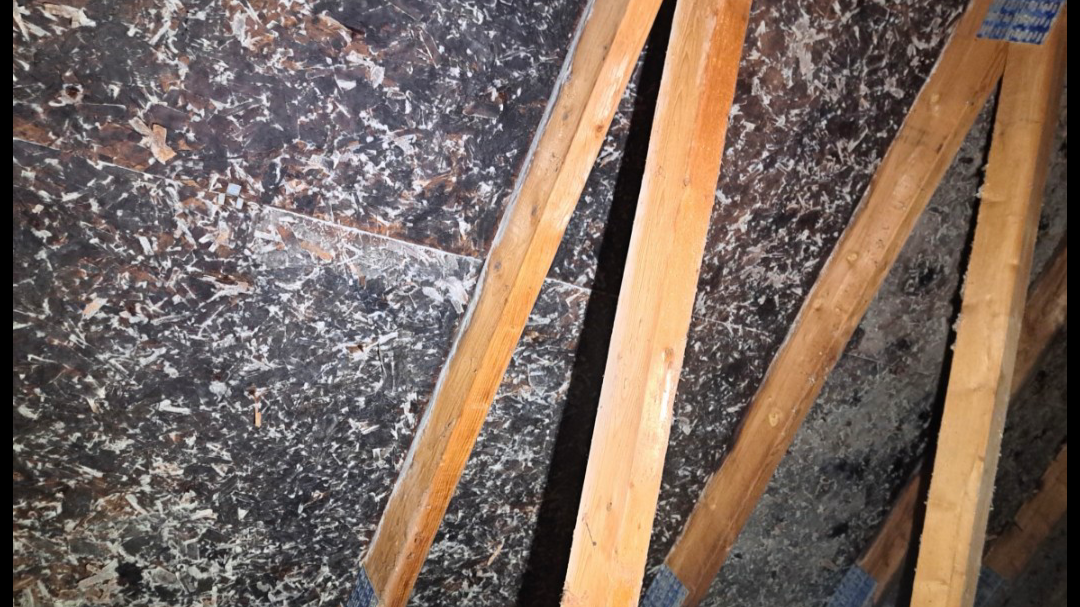
While attic installations are common, they come with challenges. During the summer months, attic temperatures can exceed 120°F (49°C). HVAC equipment operating in these extreme conditions must work significantly harder to cool the home. Condensation can also become a concern when cold air travels through ductwork located in extremely hot and humid spaces. If duct insulation becomes damaged or inadequate, moisture can accumulate on the exterior of the duct system, potentially leading to mold growth on nearby building materials.
Some homes utilize crawl spaces for HVAC equipment. Crawl spaces can create unique challenges because they are often cooler, damp, and more susceptible to moisture intrusion. If humidity levels are not properly controlled, both the equipment and ductwork can become exposed to elevated moisture conditions for extended periods.
Regardless of where the HVAC system is located, controlling moisture is critical.
Proper HVAC Sizing Is Essential
One of the most misunderstood aspects of HVAC performance is system sizing.
Many homeowners assume that a larger HVAC system will cool or heat a home more effectively. In reality, oversized systems can create significant problems.
An oversized air conditioning system cools the home very quickly. While this may sound beneficial, it often means the system does not run long enough to adequately remove moisture from the air. The result can be a home that feels cool but still feels damp or humid.
High indoor humidity creates favorable conditions for mold growth, dust mites, and other indoor air quality concerns.
Undersized systems present different challenges. When a system is too small for the home, it may run continuously while struggling to maintain desired temperatures. This places additional strain on equipment, increases energy consumption, and can accelerate wear and tear.
Proper HVAC sizing requires professional calculations based on factors such as:
• Square footage
• Ceiling height
• Insulation values
• Window placement
• Climate zone
• Air leakage rates
• Occupancy levels
The goal is not simply to make the home comfortable but also to maintain proper humidity control throughout the year.
Air Filters Can Affect System Performance
Many homeowners purchase the highest-rated air filter available, believing they are improving indoor air quality. While filtration is important, not every HVAC system is designed to handle highly restrictive filters.
Air filters create resistance to airflow. The denser the filter material, the harder the blower motor must work to move air through the system.
If a filter is too restrictive for a particular HVAC design, airflow may be reduced significantly. Reduced airflow can contribute to several problems:
• Increased energy consumption
• Reduced heating and cooling efficiency
• Increased strain on blower motors
• Premature equipment wear
• Potential coil icing in cooling systems
• Condensation issues
When airflow becomes restricted, temperature differences within the system can increase. In some situations, components and duct surfaces may become cold enough to encourage condensation formation.
Whenever moisture repeatedly develops on ductwork, building materials nearby may eventually become vulnerable to mold growth.
The solution is not to avoid quality filtration. Rather, homeowners should use filters that match the design requirements of their HVAC equipment and replace them according to manufacturer recommendations.
Why Closing Vents Often Causes More Problems Than It Solves
A common misconception is that homeowners can save energy by closing supply vents in unused rooms.
Unfortunately, HVAC systems are designed to move a specific volume of air throughout the home. When multiple vents are closed, the system’s airflow balance changes.
This can lead to:
• Increased duct pressure
• Reduced system efficiency
• Additional stress on blower components
• Uneven temperatures
• Poor humidity control
• Air leakage through duct connections
In some cases, the pressure imbalance can force conditioned air into wall cavities, attic spaces, or other unintended areas.
Many homeowners are surprised to learn that closing vents often provides little to no energy savings while potentially increasing wear on the HVAC system.
Proper zoning systems are designed specifically to control airflow safely. Simply closing vents throughout the house is not the same thing.
The Importance of Return Air Pathways
Supply vents deliver conditioned air into rooms, but return vents are equally important.
Every cubic foot of air supplied to a room must have a path back to the HVAC system.
When return airflow becomes blocked, rooms can become pressure imbalanced. These pressure differences can interfere with proper air circulation and create stagnant areas where humidity levels rise.
Furniture placement is one of the most common causes of restricted airflow.
Large couches, entertainment centers, bookcases, storage containers, and other items are often positioned directly over return vents or in front of supply registers.
When this occurs, the HVAC system cannot circulate air as intended.
The result may include:
• Hot and cold spots
• Increased humidity
• Reduced comfort
• Reduced efficiency
• Areas of poor ventilation
• Increased likelihood of condensation on cool surfaces
Proper airflow depends on keeping both supply and return pathways unobstructed.
Hoarding Conditions Create Serious Airflow Challenges
Homes affected by hoarding often experience significant indoor air quality and moisture problems.
When rooms become filled with excessive belongings, natural airflow pathways are disrupted. HVAC systems may struggle to circulate conditioned air through the living space.
Air can become trapped behind stacks of boxes, furniture, clothing, or stored materials.
These isolated pockets frequently experience:
• Elevated humidity
• Reduced ventilation
• Temperature fluctuations
• Dust accumulation
• Mold growth
Because these areas receive limited airflow, moisture can remain trapped for extended periods. Over time, mold may develop behind stored contents without the homeowner ever seeing it.
During inspections, Antigen frequently encounters mold growth concealed behind furniture, storage piles, and other long-term obstructions.
Ductwork Can Become a Distribution System
An HVAC system does not create mold, but it can distribute mold spores if contamination already exists.
If mold develops within ductwork, on cooling coils, within insulation, or near air handling components, spores may be circulated throughout the home whenever the system operates.
This is one reason why professional mold investigations should never focus solely on visible growth.
A complete assessment often includes evaluating:
• HVAC components
• Duct systems
• Humidity levels
• Moisture sources
• Building pressure relationships
• Airflow patterns
Without identifying the source of contamination, cleaning visible mold alone may fail to address the underlying problem.
Prevention Is Always Less Expensive Than Remediation
The best way to avoid HVAC-related mold problems is through routine maintenance and proactive moisture control.
Homeowners should:
• Change filters regularly
• Schedule professional HVAC maintenance
• Monitor indoor humidity levels
• Keep vents and returns unobstructed
• Address water leaks promptly
• Ensure crawl spaces and attics remain properly ventilated and protected
• Investigate unusual odors immediately
Small airflow problems often become larger moisture problems if ignored long enough.
Final Thoughts
Your HVAC system is far more than a heating and cooling appliance. It is the circulatory system of your home. Every day it moves air, moisture, dust particles, and airborne contaminants throughout the building.
When properly designed, maintained, and operated, an HVAC system helps create a healthy indoor environment. When airflow becomes restricted, humidity rises, or moisture is allowed to accumulate, conditions can develop that support mold growth and other indoor air quality concerns.
At AuntieGen, we help homeowners identify these hidden issues through professional inspections, indoor air quality assessments, moisture investigations, mold testing, and remediation services. Understanding how HVAC systems influence airflow and moisture is one of the most important steps in protecting both your home and the people living inside it.
For more Ask AuntieGen




Recent Comments